2026-04-02 · 8 min read
What the forgetting curve means
The forgetting curve describes how memory declines after first exposure. The drop is steep in the early window, then slows down.
This is why words learned in one intense session can feel familiar today and almost invisible a week later.
Why people misdiagnose the problem
Many learners think low retention means low ability. In reality, it usually means weak timing strategy.
If a word is not reviewed near the first decline window, relearning cost rises and confidence falls.
How to beat the curve in daily practice
Use short, repeated exposures instead of large one-time volume. Make review the first action of each session.
Treat wrong answers as scheduling signals. Weak words should return sooner until recall stabilizes.
What this looks like in WordCraftVillage
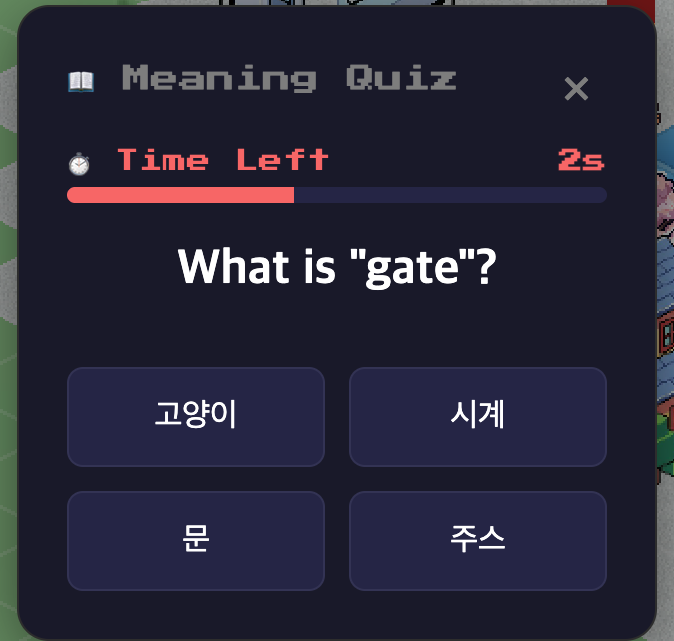
Run one quiz round, then process due review cards immediately. This keeps recall windows active without long sessions.
Use deck controls to keep difficulty inside a manageable range so review quality stays high.
A realistic weekly anti-forgetting plan
Mon-Fri: 5 to 10 minute sessions with review-first order. Weekend: one light consolidation pass.
If review backlog grows, reduce new words for 2-3 days and stabilize retrieval before expanding.
Quick checklist
Do not judge progress by one perfect day. Track completed days and review accuracy trend.
Consistency over one week beats intensity in one hour. That is how you flatten the forgetting curve.