2026-04-02 · 8 min read
Why roots and prefixes matter
Memorizing isolated words is slow. Recognizing roots and prefixes lets you compress many words into one pattern.
This is especially helpful when you encounter unknown words in quizzes or reading.
High-value prefixes to start with
Start with a small set: re- (again), pre- (before), sub- (under), inter- (between), auto- (self), anti- (against).
Do not try to learn dozens at once. Use a few frequently and connect them to real quiz examples.
How to use roots during quizzes
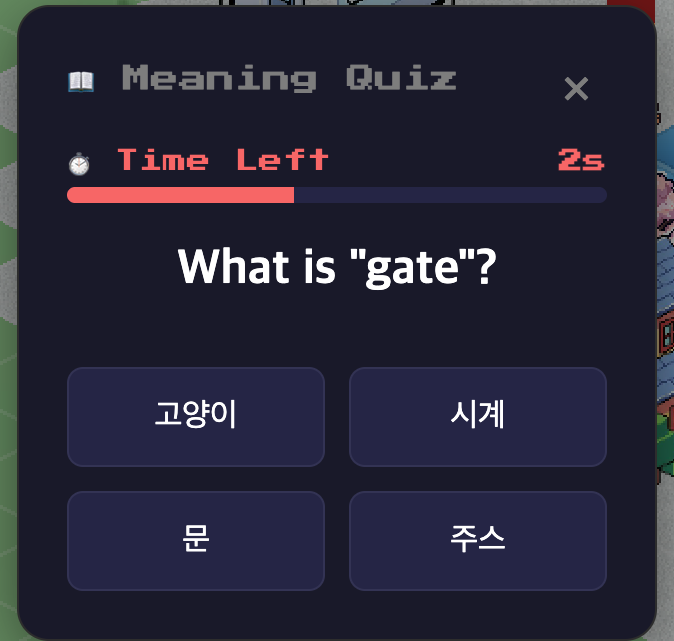
When you see an unfamiliar word, split it into prefix + base. Guess direction first, then evaluate answer options.
Even a rough structural guess can eliminate wrong options and improve answer quality under time pressure.
Pattern notebook method
Create a tiny root notebook with one line per prefix and two examples each.
Review this notebook briefly before quiz sessions to prime pattern recognition.
Common trap to avoid
Do not force root analysis for every word. Some words are irregular or misleading by form.
Use roots as a support tool, then confirm meaning through context and review repetition.
How this supports long-term learning
Root patterns reduce cognitive load when vocabulary volume increases.
Combined with spaced review, pattern knowledge makes future word acquisition faster and less stressful.