2026-04-02 · 7 min read
The difference in one sentence
Passive review means seeing information again. Active recall means trying to retrieve it from memory before seeing the answer.
Both have value, but they do different jobs. Passive review refreshes familiarity. Active recall trains retrieval strength, which is what you need during real use.
Why passive review feels better but works less
Passive review is comfortable because you recognize words quickly. Recognition creates confidence, but confidence is not the same as recall ability.
Many learners feel prepared after rereading notes, then freeze during quizzes. That gap appears because memory retrieval was never trained directly.
Why active recall feels harder but works better
Active recall introduces productive struggle. You attempt an answer first, then check correctness. That cycle strengthens retrieval pathways.
In vocabulary learning, this means faster access under pressure and better long-term retention, especially when recall attempts are repeated over days.
How to combine both without burnout
Use passive review as a short warm-up, then switch quickly to active recall quizzes. End with targeted correction on missed words.
A practical 8-minute structure: 1 minute preview, 5 minutes quiz recall, 2 minutes error correction. Keep it small and repeat daily.
How this maps to WordCraftVillage
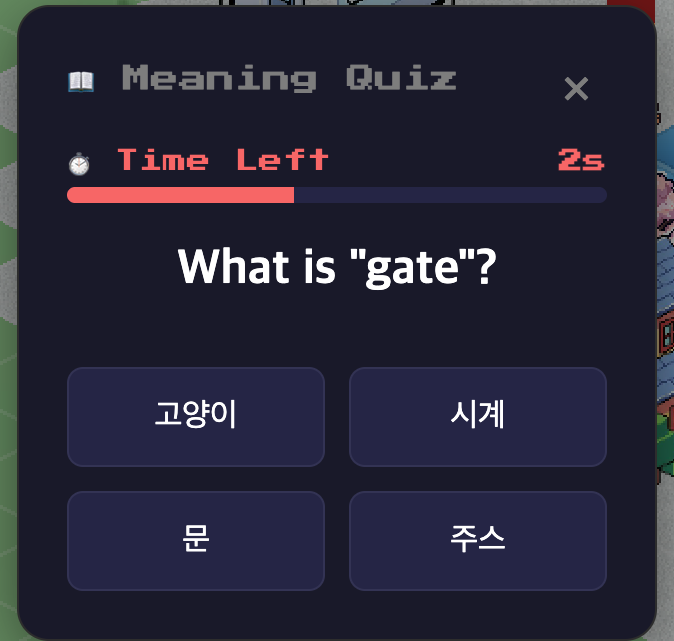
WordCraftVillage is naturally recall-oriented because quizzes require answer selection under time constraints. That is active recall in action.
Use Account settings to keep deck difficulty in a zone where recall is challenging but not overwhelming. This preserves motivation and data quality.
Decision rule for learners
If you have little time, prioritize active recall first. If your stress is high, do a brief passive review warm-up, then one recall round.
The best long-term strategy is not “only active” or “only passive.” It is a repeatable order: preview briefly, recall actively, correct immediately.